
Introduction
Mobile commerce continues to dominate online retail, and customer expectations are higher than ever. Shoppers expect websites to load instantly, provide smooth navigation, and deliver an app-like experience regardless of the device they use.
This is where a Magento Progressive Web App (PWA) becomes valuable. A PWA combines the accessibility of a website with many of the features traditionally associated with native mobile applications. For Magento merchants, this means faster storefronts, improved engagement, and a better shopping experience without requiring customers to download an app from an app store.
Many businesses work with a Magento Development Agency to evaluate whether a headless architecture and PWA approach can improve performance, scalability, and conversion rates.
Magento PWAs have become increasingly popular among both B2B and B2C brands because they offer flexibility, speed, and future-ready ecommerce capabilities.
What is Magento PWA?
A Magento PWA is a Progressive Web App front-end that consumes the Magento (Adobe Commerce) backend via GraphQL or REST APIs.
Unlike a traditional Magento theme, the frontend and backend are separated. The Magento backend continues to manage products, customers, orders, promotions, and inventory, while the PWA frontend delivers a faster and more dynamic user experience.
Magento PWA Architecture
Customer Browser → PWA Frontend (React/Vue) → GraphQL or REST APIs → Magento Backend → Products, Orders & Customer Data
This architecture enables merchants to build highly customised experiences while retaining Magento’s powerful ecommerce functionality.
How Magento PWA Works
Understanding how Magento PWA works helps businesses appreciate why it performs so well.
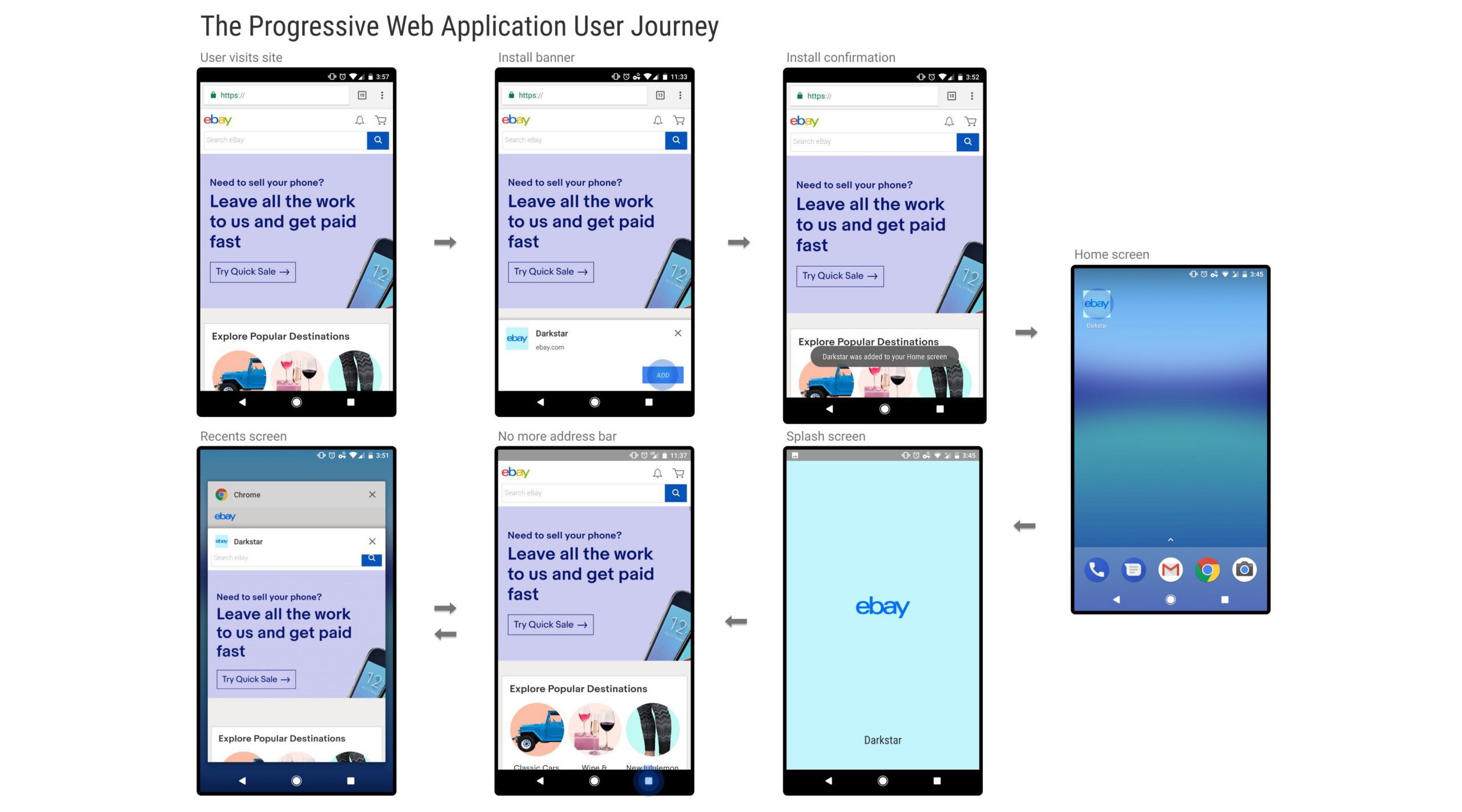
When a visitor accesses the website, the PWA frontend loads cached assets and requests data from Magento using GraphQL APIs. Instead of refreshing entire pages, only the required content updates dynamically.
How Magento PWA Works
Customer Opens Website → PWA Frontend Loads → API Request Sent → Magento Backend Processes Request → Data Returned → Fast User Experience
This process significantly reduces loading times and improves responsiveness across mobile and desktop devices.
What to Know About PWA
Before investing in a Magento 2 PWA project, there are several key points to understand:
Key Characteristics of PWAs
- Mobile-first design
- Responsive across devices
- Home-screen installation
- Offline browsing capabilities
- Fast page transitions
- Push notification support
- Improved customer engagement
- Reduced reliance on app stores
PWAs bridge the gap between traditional websites and mobile applications, offering many of the advantages of both.
Why Does Your Ecommerce Store Need Magento PWA
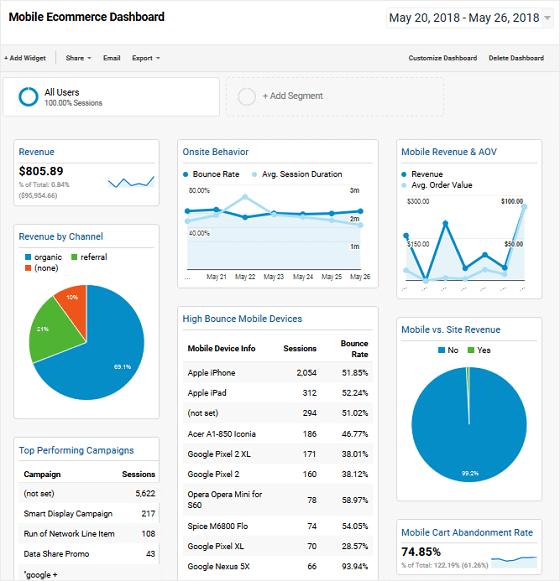
The demand for faster ecommerce experiences continues to grow. Customers quickly abandon slow-loading websites, especially on mobile devices.
Benefits of Magento PWA
- Faster loading speeds
- Better mobile usability
- Increased customer engagement
- Improved conversion rates
- Reduced bounce rates
- Enhanced scalability
- Future-ready architecture
Businesses planning long-term ecommerce growth often partner with a Magento Development Agency to identify opportunities for performance improvements through PWA adoption.
What are the Differences Between Magento PWA and Native Apps?
| Feature | Magento PWA | Native App |
| Installation Required | No | Yes |
| App Store Approval | No | Yes |
| Device Storage Usage | Low | High |
| Updates | Automatic | Manual |
| Development Cost | Lower | Higher |
| Cross-Platform Support | Excellent | Separate Builds Needed |
| Time to Launch | Faster | Slower |
| Offline Access | Partial | Extensive |
For many merchants, a Magento PWA delivers a similar user experience without the expense of developing separate iOS and Android applications.
Magento PWA vs Traditional Magento Storefront
| Feature | Magento PWA | Traditional Magento Store |
| Page Load Speed | Faster | Moderate |
| Mobile Performance | Excellent | Theme Dependent |
| Architecture | Headless | Monolithic |
| Frontend Technology | React/Vue | Magento Themes |
| User Experience | App-Like | Website-Based |
| Scalability | High | Moderate |
| Flexibility | Very High | Limited |
This comparison highlights why many merchants are exploring Magento PWA solutions as part of their digital transformation strategy.
How Does Magento PWA Affect Ecommerce in B2B and B2C?
Benefits for B2C Ecommerce
Consumer-focused businesses benefit from:
- Faster product browsing
- Improved checkout experiences
- Better mobile engagement
- Increased customer retention
Benefits for B2B Ecommerce
B2B organisations gain:
- Improved account management
- Faster catalogue browsing
- Better ordering experiences
- Enhanced customer portals
Many B2B merchants combine PWAs with Magento API Integration Services to connect ERP systems, CRMs, inventory platforms, and fulfilment software.
Features of Magento PWA
A Magento Progressive Web App offers several advanced capabilities.
Core Features
- App-like interface
- Home screen installation
- Offline functionality
- Push notifications
- Background synchronisation
- Secure HTTPS connection
- Fast page loading
- GraphQL integration
- Responsive design
These features contribute to a seamless customer experience across all devices.
How Magento PWA Improves the Magento Store
Magento PWAs improve various performance and user experience metrics.
| Area | Improvement |
| Speed | Faster loading times |
| User Experience | More intuitive navigation |
| Engagement | Higher session duration |
| SEO | Better Core Web Vitals |
| Conversion Rate | Potential increase |
| Mobile Experience | Significantly improved |
Even after launch, ongoing optimisation remains important. Many businesses utilise Magento Website Maintenance Services to maintain performance and security.
Performance Impact Flow
Faster Loading → Better User Experience → Higher Customer Engagement → Increased Conversions → Increased Revenue
Challenges with Magento PWA
Although Magento PWAs offer significant advantages, there are some challenges to consider.
Common Challenges
- Higher upfront development costs
- Increased frontend complexity
- Additional testing requirements
- Extension compatibility issues
- Ongoing maintenance needs
- Specialist development expertise required
Businesses often choose to Hire Magento Developer resources with PWA experience to address these challenges effectively.
Magento PWA Requirements
Before you build PWA with Magento, ensure your infrastructure meets the necessary requirements.
Technical Requirements
- Magento 2.4 or newer
- HTTPS-enabled environment
- GraphQL support
- Modern hosting infrastructure
- API integrations
- Frontend framework expertise
- Performance optimisation tools
Many organisations choose to Hire Magento 2 Developer specialists when undertaking complex PWA projects.
Methods to Develop a Magento PWA Site
There are several ways to create a Magento 2 PWA.
Through Magento 2 PWA Extension
A Magento 2 PWA extension provides pre-built functionality that accelerates implementation.
Benefits include:
- Faster deployment
- Reduced development effort
- Lower initial costs
This approach works well for businesses seeking a quicker route to market.
Through Magento PWA Frameworks
Frameworks offer greater flexibility and customisation.
Popular options include:
- Magento PWA Studio
- ScandiPWA
- Vue Storefront
This method is often preferred for larger and more complex ecommerce projects.
Through Magento PWA Theme
Some providers offer PWA-ready themes that simplify development.
Advantages include:
- Faster implementation
- Lower costs
- Simplified management
However, themes may offer fewer customisation options than fully bespoke solutions.
Magento PWA Solutions and Their Alternatives
Magento PWA Studio
Magento PWA Studio is a set of tools that help you create mobile-friendly, fast, and reliable websites. It includes several fundamental concepts.
Key components include:
- Venia Storefront
- Buildpack
- Peregrine Hooks
- GraphQL integrations
Magento PWA Studio remains one of the most widely adopted Magento PWA solutions.
Scandi PWA
ScandiPWA is a React-based framework specifically designed for Magento.
Benefits include:
- Strong Magento integration
- High performance
- Extensive customisation options
Vue Storefront
Vue Storefront is another popular headless commerce framework.
Benefits include:
- Flexible architecture
- Strong performance
- Multi-platform support
Other Alternatives
When evaluating PWA for Magento or Shopify, businesses may also consider:
- Hyvä Themes
- Next.js Commerce
- Gatsby Commerce
- Custom React Frontends
- Headless Shopify
The ideal solution depends on budget, performance requirements, and long-term business objectives.
Magento PWA Development Cost
Magento PWA development costs vary depending on project scope and complexity.
Cost Factors
- Design complexity
- Number of integrations
- Custom features
- Data migration requirements
- Testing requirements
- Ongoing support needs
What Magento Experts Have to Say About Magento PWA?
Industry experts generally agree that PWAs provide substantial performance improvements when implemented correctly.
Common expert opinions include:
- PWAs deliver excellent mobile experiences.
- Headless architecture improves scalability.
- Large ecommerce stores often achieve stronger ROI.
- Technical expertise is essential for success.
- Not every merchant requires a fully headless solution.
The decision should always align with business goals, customer expectations, and available resources.
Conclusion
Magento PWAs continue to transform the ecommerce landscape by combining the strengths of websites and mobile applications. Faster loading times, app-like experiences, improved engagement, and better scalability make them an attractive option for ambitious ecommerce brands.
Whether you’re researching Magento PWA solutions, exploring how Magento PWA works, or learning how to implement PWA in Magento 2, understanding the benefits and requirements is essential before starting a project.
For businesses focused on long-term growth, a well-executed Magento PWA can provide a significant competitive advantage while delivering a superior customer experience.


 Krish
Krish