

Introduction
Choosing the right platform for your website or online store is one of the most important decisions you can make for your business. The platform you select affects everything from website performance and customer experience to marketing effectiveness and long-term growth.
In 2026, two platforms continue to dominate discussions among businesses looking to build a modern online presence: Webflow and Shopify. While both offer website-building capabilities, they are designed with different priorities in mind.
The debate around Webflow vs Shopify has intensified as Webflow continues to improve its eCommerce functionality and Shopify expands its website design capabilities. However, they remain fundamentally different platforms.
Shopify is built for businesses that want to scale quickly, while Webflow is better suited for creative projects and small- to medium-sized websites.
If you’re comparing Webflow vs Shopify ecommerce, understanding the strengths and limitations of each platform is essential before investing.
In this guide, we’ll compare Shopify and Webflow across pricing, design flexibility, ease of use, SEO, security, AI tools, scalability, integrations, and eCommerce functionality to help you determine the best fit for your business.
What Is Webflow?
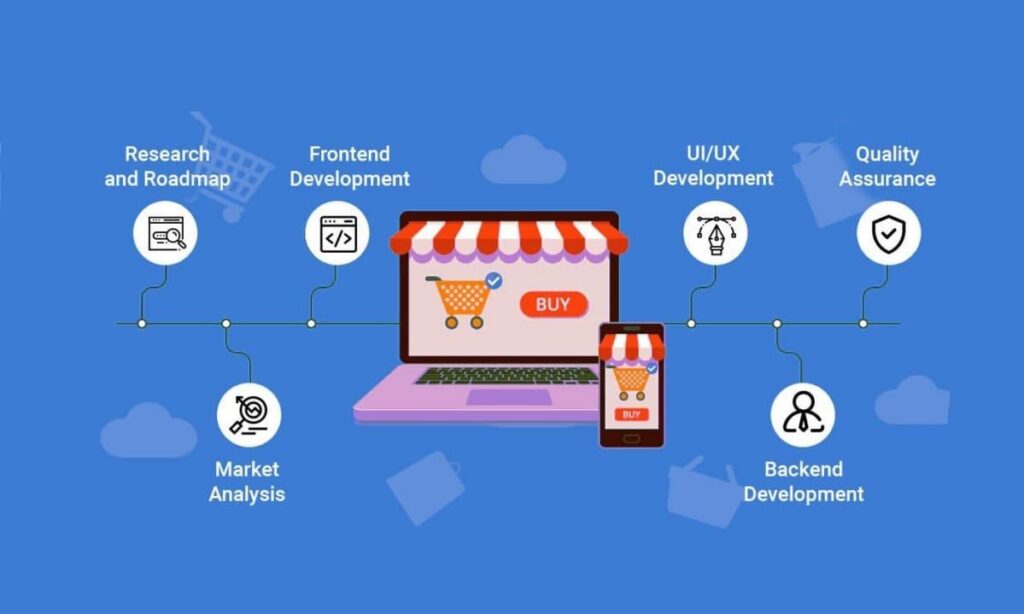
Webflow is a visual website development platform that enables users to design, build, and launch websites without extensive coding knowledge.
Unlike traditional website builders, Webflow gives designers precise control over layouts, animations, interactions, and responsive design. It combines visual design tools with CMS functionality and hosting within a single platform.
Webflow is particularly popular among:
- Creative agencies
- Designers
- SaaS businesses
- Marketing teams
- Portfolio websites
- Content-driven brands
Its greatest strength lies in design freedom and the ability to create highly customised websites.
What Is Shopify?
Shopify is one of the world’s leading eCommerce platforms, powering millions of online stores worldwide.
Unlike Webflow, Shopify was built specifically for selling products online. Every aspect of the platform is designed to help merchants manage products, process orders, accept payments, and scale their businesses.
Shopify provides:
- Product management
- Inventory tracking
- Secure checkout
- Shipping integrations
- Marketing tools
- Multi-channel selling
- Extensive app ecosystem
Businesses seeking professional Shopify development often partner with a Shopify web development company to maximise the platform’s capabilities.
For businesses looking to launch or scale a Shopify store, Kiwi Commerce provides dedicated Shopify development services
Quick Comparison of Webflow vs Shopify
| Feature | Webflow | Shopify |
| Ease of Use | Good | Excellent |
| Design Flexibility | Excellent | Good |
| eCommerce Functionality | Moderate | Excellent |
| App Ecosystem | Limited | Extensive |
| SEO Features | Excellent | Excellent |
| Security | Strong | Excellent |
| Scalability | Moderate | Excellent |
| Multi-Channel Selling | Limited | Advanced |
| AI Features | Good | Good |
| Best For | Creative websites | Online stores |
Quick Decision Flow
Need a highly customised website? → Webflow
Need to sell products online? → Shopify
Need advanced inventory management? → Shopify
Need design-first experiences? → Webflow
Need enterprise-level growth? → Shopify
Webflow vs Shopify: A Quick Verdict
After comparing both platforms across all major categories, Shopify emerges as the stronger choice for businesses focused on eCommerce.
However, that does not mean Webflow is the wrong choice.
Choose Webflow if:
- Design flexibility is your top priority
- Your website is content-focused
- You require advanced visual interactions
- You have a relatively small product catalogue
Choose Shopify if:
- Selling products is your primary objective
- You want to scale quickly
- You need advanced inventory management
- You sell internationally
- You require extensive integrations
For most online retailers, Shopify remains the better long-term investment.
Webflow vs Shopify: Pros & Cons
| Platform | Pros | Cons |
| Webflow | Outstanding design flexibility, powerful CMS, strong SEO controls | Limited eCommerce tools, smaller app ecosystem |
| Shopify | Best-in-class eCommerce tools, scalability, and extensive integrations | Less design freedom without custom development |
Pricing & Value: Webflow Wins
If we focus purely on monthly subscription costs, Webflow generally offers better value for businesses that do not require sophisticated eCommerce functionality.
However, value should always be assessed based on business requirements rather than subscription fees alone.
Webflow Pricing
Webflow offers plans suitable for:
- Personal websites
- Business websites
- CMS-driven websites
- Small online stores
Benefits include:
- Hosting included
- CMS functionality included
- Lower costs for content-focused sites
- No need for additional plugins
For businesses prioritising content and design, Webflow often delivers strong value.
Shopify Pricing
Shopify pricing includes a comprehensive set of eCommerce tools.
Businesses receive:
- Secure checkout
- Product management
- Shipping tools
- Payment integrations
- Marketing features
- Inventory management
Although monthly costs can be higher, Shopify includes far more eCommerce functionality.
Many growing businesses choose to Hire Shopify Developers to maximise ROI and create customised store experiences.
Ease of Use: Shopify Wins
Shopify was designed for merchants. Webflow was designed for designers.
This distinction becomes obvious when comparing usability.
Webflow Ease of Use
Webflow provides significant control over website design, but requires users to understand concepts such as:
- CSS styling
- Grid systems
- Responsive layouts
- Flexbox structures
Design professionals typically enjoy the platform, while beginners may face a steeper learning curve.
Shopify Ease of Use
Shopify focuses on simplicity.
Business owners can easily:
- Add products
- Manage orders
- Configure shipping
- Process payments
- Create discounts
Most users can launch a functional Shopify store with minimal technical experience.
Design Flexibility & Templates: Webflow Wins
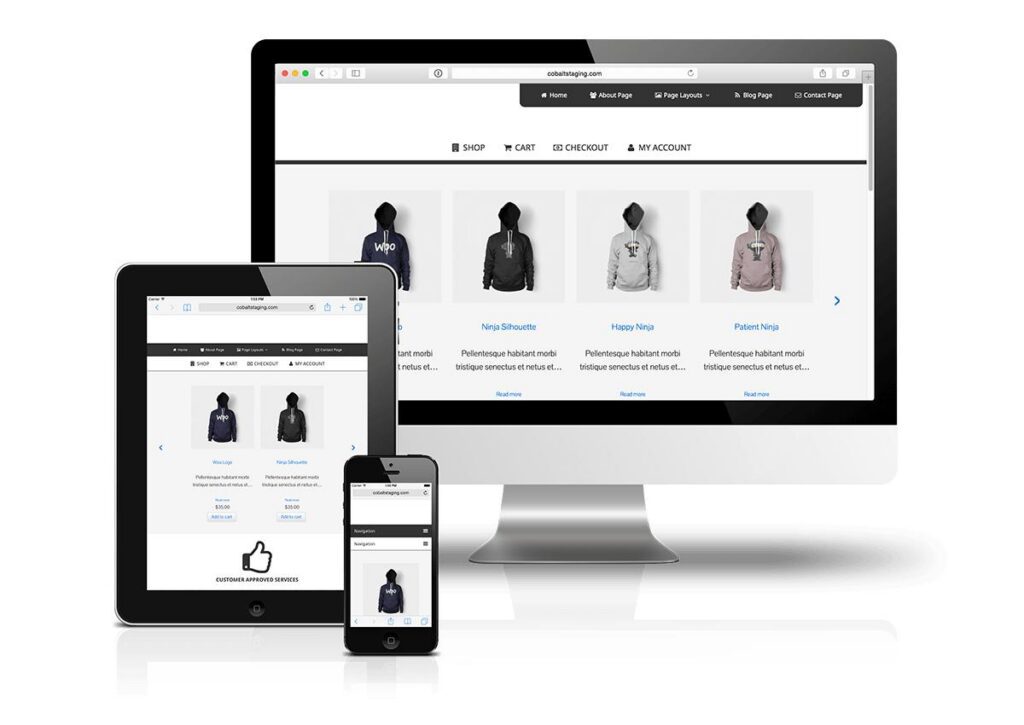
Design flexibility is where Webflow clearly outperforms Shopify.
Businesses that prioritise branding and creative storytelling often prefer Webflow because it offers complete control over the visual experience.
Webflow Design
Webflow enables:
- Pixel-perfect layouts
- Advanced animations
- Custom interactions
- Fully bespoke designs
- Responsive control
This makes Webflow particularly attractive for agencies and design-focused businesses.
Shopify Design
Shopify themes are professional and conversion-focused.
Advantages include:
- Mobile optimisation
- Fast loading times
- Large theme marketplace
- Easy customisation
However, highly customised experiences often require development expertise.
Businesses seeking improved speed and user experience frequently invest in Shopify Performance Optimisation
eCommerce Functionalities: Shopify Wins
This is the category that matters most when comparing Webflow ecommerce vs Shopify.
Shopify was built specifically for commerce.
Webflow added eCommerce later.
As a result, Shopify provides significantly more selling functionality.
Shopify offers:
- Advanced inventory management
- Product variants
- Subscription selling
- Abandoned cart recovery
- POS integrations
- Multi-currency support
- Multi-channel selling
Webflow supports basic eCommerce but lacks many advanced retail features required by growing businesses.
For businesses focused on online sales, Shopify is the clear winner.
Apps & Integrations: Shopify Wins
Integrations are essential for modern commerce operations.
Webflow Apps & Plugins
Webflow supports integrations through:
- Zapier
- Make
- HubSpot
- Mailchimp
- Google Analytics
While functional, the ecosystem remains relatively small.
Shopify Apps & Plugins
Shopify’s App Store contains thousands of integrations covering:
- Marketing
- SEO
- Customer support
- Shipping
- Reviews
- Loyalty programmes
- Inventory management
The vast ecosystem allows businesses to extend functionality without custom development.
SEO & Marketing Features: A Tie
Both platforms perform well when it comes to SEO.
Webflow SEO & Marketing
Webflow provides:
- Custom meta titles
- Meta descriptions
- Clean code structure
- XML sitemaps
- Schema markup support
- Fast hosting
Many SEO professionals appreciate Webflow’s technical flexibility.
Shopify SEO & Marketing
Shopify provides:
- SEO-friendly architecture
- Blogging functionality
- XML sitemaps
- Redirect management
- Marketing integrations
Although URL structures are slightly more restrictive, Shopify remains highly capable from an SEO perspective.
Therefore, the Shopify vs Webflow SEO comparison is effectively a draw.
AI Capabilities: A Tie
AI tools are becoming increasingly important in website management.
Webflow AI Capabilities
Webflow AI assists with:
- Content generation
- Layout recommendations
- Design improvements
- CMS content creation
These tools help reduce manual work for content teams.
Shopify AI Capabilities
Shopify Magic and Shopify Sidekick assist with:
- Product descriptions
- Customer support
- Marketing content
- Business insights
- Store management tasks
Shopify continues to invest heavily in AI-driven commerce tools.
Security & Support: Shopify Wins
Security is essential for protecting customer data and maintaining trust.
Webflow Security & Support
Webflow provides:
- SSL certificates
- DDoS protection
- Secure hosting
- Regular platform updates
Support options are generally sufficient for most businesses.
Shopify Security & Support
Shopify offers:
- PCI compliance
- SSL encryption
- Fraud analysis tools
- Secure checkout
- 24/7 support
For online retailers handling transactions, Shopify provides a more comprehensive security environment.
Scalability & Growth Potential: Shopify Wins
Scalability is where Shopify demonstrates a significant advantage.
Webflow Scalability
Webflow performs well for:
- Small businesses
- Content websites
- Marketing sites
- Small online stores
However, businesses with extensive product catalogues may encounter limitations.
Shopify Scalability
Shopify powers:
- Small startups
- Mid-market brands
- Enterprise retailers
Its infrastructure supports substantial growth without requiring platform migration.
For businesses migrating from other platforms to Shopify, partnering with a dedicated Shopify Migration Agency can simplify the process.
Enterprise businesses may also benefit from working with specialised teams offering Hire Shopify Plus Developers
Growth Flow Chart
Startup Store → Shopify Setup → Product Expansion → Marketing Automation → International Selling → Shopify Plus → Enterprise Growth
Limitations of Webflow and Shopify
Webflow Limitations
- Limited eCommerce functionality
- Smaller integration ecosystem
- Fewer advanced retail tools
- Less suitable for large product catalogues
Shopify Limitations
- Monthly costs can increase with growth
- Some advanced customisations require development expertise
- Transaction fees may apply depending on the payment gateway
Webflow vs Shopify: Which Platform Best Suits Your Demands?
The answer depends entirely on your business goals.
If your primary focus is creating a visually impressive website with complete design freedom, Webflow is an excellent choice.
However, if your goal is to sell products online, manage inventory efficiently, expand internationally, and scale revenue, Shopify remains the stronger platform.
When evaluating Webflow and Shopify, businesses should focus on long-term objectives rather than short-term preferences.
Many organisations even combine Webflow and Shopify integration, using Webflow for the marketing website and Shopify for checkout functionality.
This hybrid approach allows businesses to benefit from Webflow’s design flexibility while leveraging Shopify’s powerful commerce engine.
Ultimately:
Choose Webflow for design-first websites.
Choose Shopify for growth-focused eCommerce.
For most retailers comparing Shopify and Webflow, Shopify remains the platform best equipped for sustainable growth in 2026.
Conclusion
The Webflow vs Shopify ecommerce debate ultimately comes down to priorities. Webflow excels in design freedom and content presentation, while Shopify dominates in commerce functionality, scalability, and business growth potential.
For businesses seeking a highly customised marketing website, Webflow is a strong contender. For brands serious about online retail, Shopify remains the industry leader and the platform most likely to support long-term growth.
If your goal is to build, optimise, migrate, or scale a Shopify store, partnering with an experienced Shopify agency can help you unlock the platform’s full potential and accelerate business growth.


 Adam
Adam