
- By Kiwi Commerce
- 19 Nov, 2025
- Magento
Adobe Commerce vs Commercetools
Choosing between commercetools and Adobe Commerce (Magento) can be challenging. By understanding the unique strengths and limitations of each platform, businesses can make informed decisions aligned with strategic goals. Whether you prioritise flexibility or a comprehensive, integrated solution, this guide highlights the key differences to help you choose the right platform.
Overview
Adobe Commerce (Magento): A robust, monolithic platform designed for scalability and integration. Ideal for businesses seeking a unified eCommerce solution with extensive built-in capabilities.
Commercetools: A flexible, headless platform built on MACH principles (Microservices, API-first, Cloud-native, Headless). Perfect for companies requiring highly customised and modular digital experiences.
Adobe Commerce offers a ready-to-use platform with strong B2B and B2C capabilities, while commercetools prioritises speed, innovation, and omnichannel flexibility.
Core Differences
Architecture
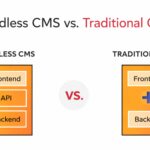
Adobe Commerce (Magento): Monolithic, all-in-one solution with built-in features and tight integration with Adobe tools. Provides a comprehensive ecosystem but is less flexible for rapid changes or new channels.
Commercetools: Headless, composable architecture separating frontend and backend. Supports modular scalability, rapid innovation, and seamless integration with third-party tools.
Verdict: Commercetools is better for flexibility; Adobe Commerce excels in an integrated, out-of-the-box approach.
Features and Capabilities
Commercetools:
- API-first design supporting omnichannel commerce
- Microservices architecture for modular scalability
- Supports B2B, D2C, and hybrid business models
- Unified cart, order management, and machine learning capabilities
- Highly customisable user experiences
Adobe Commerce (Magento):
- Advanced marketing, analytics, and content management tools
- Supports multiple brands and complex business models
- Seamless integration with Adobe Marketing Cloud
- Robust search, merchandising, and digital subscription capabilities
Extensive support for mid- to enterprise-level businesses
Challenges and Considerations
Commercetools:
- Headless architecture can be complex to implement
- Requires technical expertise in APIs, microservices, and cloud infrastructure
- Steep learning curve for teams unfamiliar with headless commerce
Adobe Commerce (Magento):
- Complex platform, requiring technical knowledge to leverage fully
- Extensibility and integration can be resource-intensive
Customer support quality may vary
Migration Strategies
To commercetools:
- Use a phased migration approach
- Test modules incrementally before full-scale deployment
- Ensure robust infrastructure and technical expertise
To Adobe Commerce (Magento):
- Thoroughly assess current systems, extensions, and integrations
- Use the Data Migration Tool for seamless transfer from Magento 1 or 2
- Opt for certified solution partners for cloud or on-premise deployment
- Validate data and functionality in a staging environment before going live
When to Choose Commercetools
- Businesses prioritising flexibility, scalability, and omnichannel commerce
- Highly customised user experiences are critical
- Strong technical teams capable of managing headless architecture
Rapid innovation and modular growth are key objectives
When to Choose Adobe Commerce (Magento)
- Need a robust, integrated eCommerce platform with comprehensive features
- Require out-of-the-box tools for catalogue management, marketing, and analytics
- Prefer easier implementation with limited technical resources
- Supporting multiple brands or complex business models is necessary
The Future: Composable Commerce
The eCommerce landscape is shifting towards composable commerce, allowing businesses to assemble best-of-breed solutions for speed, flexibility, and scalability.
Benefits:
- Accelerated time-to-market for new features
- Flexible adaptation to changing markets and customer needs
- Seamless integration with third-party systems
- Personalised, omnichannel customer experiences
- Improved scalability to support growth
Both commercetools and Adobe Commerce (Magento) support composable commerce but in different ways: commercetools offers full headless flexibility, while Adobe Commerce provides integrated tools with some composable options.
Wrapping Up
Both platforms provide powerful solutions:
- Adobe Commerce (Magento): Ideal for mid- to enterprise-level businesses seeking a robust, integrated platform with comprehensive features and faster deployment.
Commercetools: Perfect for organisations looking for headless flexibility, high customisation, and rapid innovation.
Pro Tip: Innovate Beyond Limits
The real magic happens when businesses leverage the full potential of these platforms:
- Combine headless agility with AI-driven personalisation for hyper-relevant customer experiences.
- Turn data into actionable insights across channels to anticipate customer needs before they arise.
- Build a digital commerce ecosystem that grows organically, adapting to trends, markets, and emerging technologies.
- Experiment, iterate, and scale without being constrained by traditional platform limitations.
By thinking beyond traditional eCommerce, both Adobe Commerce and commercetools can become engines for transformative business growth turning ordinary online stores into extraordinary, omnichannel experiences.
Discover Kiwi Commerce
Looking for fast, flexible, and scalable eCommerce? Kiwi Commerce delivers cloud-native, omnichannel solutions that are quick to deploy, easy to manage, and designed to grow with your business.
Get started with Kiwi Commerce today and transform your digital commerce experience