
Introduction
If you’re planning a new ecommerce website or considering an upgrade from your current platform, one question is likely to come up: Magento Open Source vs Adobe Commerce, which one should you choose?
Although both platforms are built on the same Magento foundation, they serve different types of businesses. Magento Open Source offers flexibility and affordability, while Adobe Commerce provides enterprise-level functionality for larger retailers looking to scale rapidly.
Many businesses start with Magento Open Source and later move to Adobe Commerce as their requirements become more complex. Understanding the differences between the two can help you make the right investment and avoid unnecessary costs.
In this guide, we’ll compare Magento vs Adobe Commerce in detail, covering pricing, hosting, features, security, scalability, maintenance, and migration considerations.
Whether you’re launching a new store or planning a Magento vs Adobe Commerce migration, this article will help you make an informed decision.
What is Magento Open Source?
Magento Open Source is the free version of Magento 2. It provides a powerful ecommerce framework that allows merchants to build highly customised online stores without paying software licensing fees.
Magento Open Source is particularly popular among:
- Start-ups
- Small businesses
- Growing online retailers
- Companies requiring custom functionality
The platform includes essential ecommerce capabilities such as:
- Product catalogue management
- Customer accounts
- Shopping cart and checkout
- Promotions and discounts
- Multi-store management
- SEO-friendly architecture
Because of its flexibility, many businesses work with a professional Magento Development Agency to customise their store and maximise performance.
Best For
✔ Small to medium-sized businesses
✔ Companies with development resources
✔ Merchants seeking full control over their website
✔ Businesses wanting lower software costs
What is Adobe Commerce?
Adobe Commerce is Adobe’s enterprise ecommerce platform built on Magento’s core framework.
It includes everything available in Magento Open Source plus a wide range of advanced business tools designed for larger organisations.
Adobe Commerce is an advanced e-commerce platform ideal for large-scale operations.
The platform offers:
- AI-powered merchandising
- Advanced B2B functionality
- Customer segmentation
- Business intelligence reporting
- Personalised shopping experiences
- Live Search
- Product Recommendations
- Content staging
- Adobe ecosystem integrations
Many enterprise retailers choose Adobe Commerce because it reduces reliance on third-party extensions while providing enterprise-grade support.
Magento Open Source vs Adobe Commerce
Quick Comparison Table
| Feature | Magento Open Source | Adobe Commerce |
| Licence Cost | Free | Paid Annual Licence |
| Hosting | Self Managed | Self Managed or Cloud |
| Adobe Support | No | Yes |
| Customer Segmentation | No | Yes |
| Page Builder | Extension Required | Included |
| Live Search | No | Included |
| Product Recommendations | No | Included |
| B2B Features | Basic | Advanced |
| Business Intelligence | No | Included |
| Scalability | Good | Excellent |
| Cloud Infrastructure | External | Available |
Decision Flow Chart
Business Launch → Growth Stage → Higher Traffic → Advanced Customer Experiences Needed → Enterprise Operations → Adobe Commerce
Business Launch → Small to Medium Store → Limited Budget → Custom Development Needed → Magento Open Source
Pricing
Pricing is often the biggest factor when comparing Adobe Commerce vs Magento Pricing.
Magento Open Source
Software licence cost:
£0
You only pay for:
- Hosting
- Development
- Extensions
- Maintenance
- Security management
Adobe Commerce
Adobe Commerce pricing varies depending on annual revenue and business requirements.
Costs typically include:
- Annual licence fee
- Hosting (if not using Cloud)
- Development
- Ongoing support
While Adobe Commerce requires a larger investment, many larger businesses find the advanced features justify the cost.
Hosting
One of the major differences in the Adobe Commerce Cloud vs Magento comparison is hosting.
Magento Open Source
You must arrange:
- Server infrastructure
- Performance optimisation
- Security management
- Backups
- Monitoring
Adobe Commerce Cloud
Adobe provides:
- Managed cloud hosting
- Auto-scaling capabilities
- Monitoring tools
- Performance optimisation
- Deployment pipelines
This reduces operational overhead for larger businesses.
Scalability
Scalability becomes critical as online stores grow.

Magento Open Source can handle substantial traffic when properly configured. However, Adobe Commerce includes architecture specifically designed for enterprise growth.
Adobe Commerce is designed for scalability and shares the load across three databases for checkout, orders, and product data.
This helps maintain performance during:
- High traffic periods
- Seasonal sales
- Flash promotions
- Large catalogue operations
Features
Adobe Commerce includes many built-in tools that Open Source users often purchase separately.
Included Adobe Commerce Features
- Customer Segmentation
- Live Search
- Product Recommendations
- Content Staging
- Visual Merchandising
- B2B Functionality
- Business Intelligence
- Loyalty and Personalisation Tools
For businesses wanting extensive customisation, it may be beneficial to Hire Magento Developer resources to evaluate the best implementation strategy.
Security
Security is important for every ecommerce business.
Magento Open Source
Security depends on:
- Regular patching
- Hosting quality
- Developer practices
- Ongoing maintenance
Adobe Commerce
Provides additional enterprise security capabilities and support.
Benefits include:
- Enhanced security tools
- Dedicated support
- Improved compliance options
Many merchants use professional Magento Website Maintenance Services to keep their stores secure and up to date.
Maintenance
Magento Open Source
Store owners are responsible for:
- Updates
- Security patches
- Server management
- Extension compatibility
Adobe Commerce
Adobe provides additional support, helping reduce maintenance burdens.
This can save significant internal resources for larger organisations.
Is Magento now Adobe Commerce?
Magento was acquired by Adobe in 2018.
Following the acquisition:
Magento Commerce became Adobe Commerce.
Today:
- Magento Open Source remains the free version.
- Adobe Commerce is the enterprise edition.
This is why many people still search for Adobe Commerce vs Magento, even though both platforms share the same Magento framework.
Why Magento 2 is Different to Adobe Commerce?
Magento 2 is the technology platform underpinning both editions.
Think of it like this:
Platform Structure
Magento 2 Core → Magento Open Source Features → Adobe Commerce Enterprise Features → Adobe Experience Cloud Ecosystem
Adobe Commerce simply adds a substantial layer of enterprise functionality on top of Magento 2.
Top Features of Adobe Commerce
Seller-Assisted Shopping
Allows sales teams to help customers throughout the purchasing process, improving conversion rates and customer satisfaction.
Live Search
Uses AI-driven technology to improve search relevance and product discovery.
Benefits:
- Faster searches
- Improved conversion rates
- Better user experience
Product Recommendations
Automatically suggests products based on customer behaviour.
Advantages:
- Higher average order values
- Increased cross-selling opportunities
- Better personalisation
Page Builder
Create landing pages without coding.
Marketing teams can:
- Build pages faster
- Launch campaigns independently
- Reduce developer reliance
Catalog Service
Supports large product catalogues while maintaining performance.
Ideal for businesses with:
- Thousands of SKUs
- Multiple product categories
- Complex catalogues
Inventory and Order Management
Adobe Commerce inventory management helps businesses maintain accurate stock levels across multiple sales channels.
Features include:
- Stock visibility
- Multi-source inventory
- Order routing
Store Fulfillment
Supports omnichannel retail operations by connecting online and offline fulfilment processes.
PWA Studio
Enables businesses to create app-like shopping experiences with improved speed and mobile usability.
Customer Segmentation
Allows retailers to target customers based on:
- Purchase history
- Behaviour
- Demographics
- Shopping patterns
Business Intelligence
Provides advanced analytics and reporting.
Track:
- Revenue
- Customer lifetime value
- Conversion rates
- Product performance
Seamless Integration
Adobe Commerce integrates with:
- ERP systems
- CRM platforms
- Marketing software
- Payment providers
Businesses often utilise Magento API Integration Services to connect third-party systems efficiently.
Payments and Financing
Adobe Commerce payment solutions support flexible payment methods and financing options, helping improve checkout conversions.
Advantages of Migrating to Adobe Commerce
Many growing retailers eventually consider a Magento vs Adobe Commerce Migration.
Migration Journey Flow
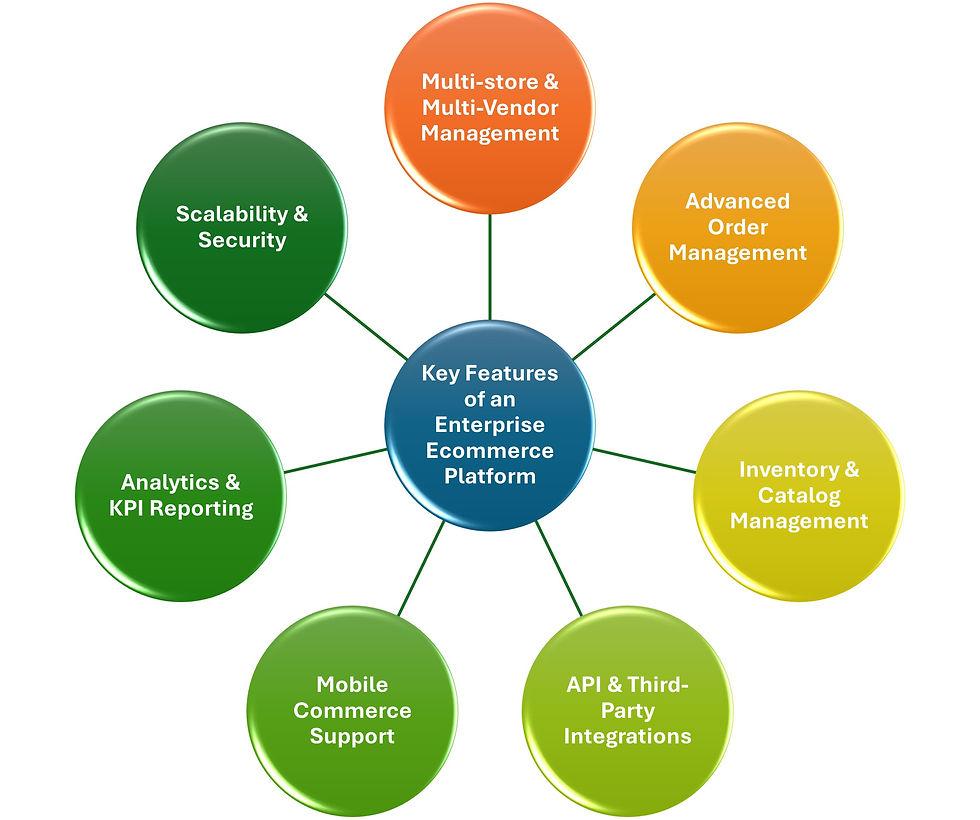
Magento Open Source → Business Growth → Higher Traffic → Operational Complexity → Adobe Commerce Migration → Enterprise Scaling
Benefits of Migration
- Enhanced scalability
- Advanced merchandising
- AI-powered search
- Personalisation tools
- Better reporting
- Enterprise support
- Improved customer experiences
A dedicated Hire Magento 2 Developer resource can help ensure a smooth migration process.
Should You Choose Magento 2 or Adobe Commerce?
Choose Magento Open Source If:
- You’re launching a new store.
- You have a limited budget.
- You require extensive customisation.
- Your business is still growing.
Ideal Businesses
- SMEs
- Start-ups
- Independent retailers
Choose Adobe Commerce If:
- You process large order volumes.
- You manage multiple stores.
- You require advanced B2B functionality.
- You need enterprise-level reporting.
- You want AI-powered merchandising.
Ideal Businesses
- Large retailers
- Manufacturers
- B2B organisations
- Enterprise brands
Conclusion
The choice between Magento Open Source vs Adobe Commerce depends largely on your business size, budget, and growth ambitions.
Magento Open Source remains one of the most flexible ecommerce platforms available and continues to be an excellent choice for small and medium-sized businesses.
Adobe Commerce, on the other hand, delivers a comprehensive enterprise ecommerce solution with advanced tools for merchandising, personalisation, analytics, and scalability.
If your goal is long-term growth and enterprise-level performance, Adobe Commerce may offer a stronger return on investment. However, for businesses seeking flexibility and lower upfront costs, Magento Open Source remains a highly capable platform.
Ultimately, the right choice comes down to your current requirements and where your business plans to be in the next three to five years.

 Krish
Krish