
Introduction
Choosing the right eCommerce platform is no longer just a technical decision, it directly impacts your sales, customer experience, and long-term growth. In this magento 1 vs magento 2 guide, we’ll break everything down in a simple, practical way so you can make an informed decision.
Magento 1 has been officially unsupported since June 2020, which means no security patches or official fixes. On the other hand, Magento 2 is built for modern eCommerce with better speed, scalability, and improved performance. In fact, the magento 1 vs 2 comparison clearly highlights how businesses are moving towards faster and more secure platforms.
What is Magento 1?
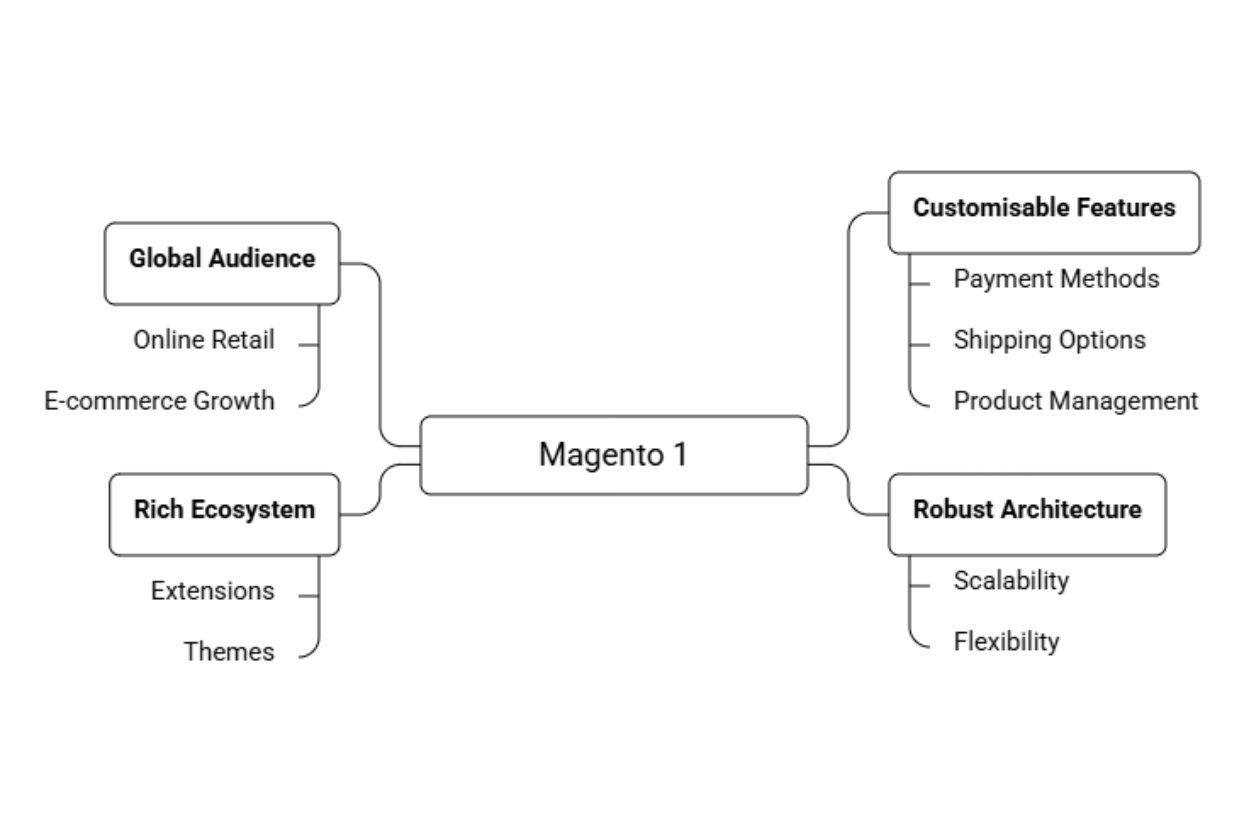
Magento 1 was the original version of the Magento platform and was widely adopted by businesses for building flexible and customisable online stores. It offered strong control over store functionality and design, which made it popular among developers.
Key Features of Magento 1
- Open-source platform with high flexibility
- Large extension marketplace for added features
- Customisable backend and frontend architecture
- Basic SEO capabilities with manual configuration
Limitations of Magento 1
- No official support or security updates since 2020
- Slower performance compared to modern platforms
- Increasing compatibility issues with new tools and integrations
- Higher risk of security vulnerabilities over time
What is Magento 2?
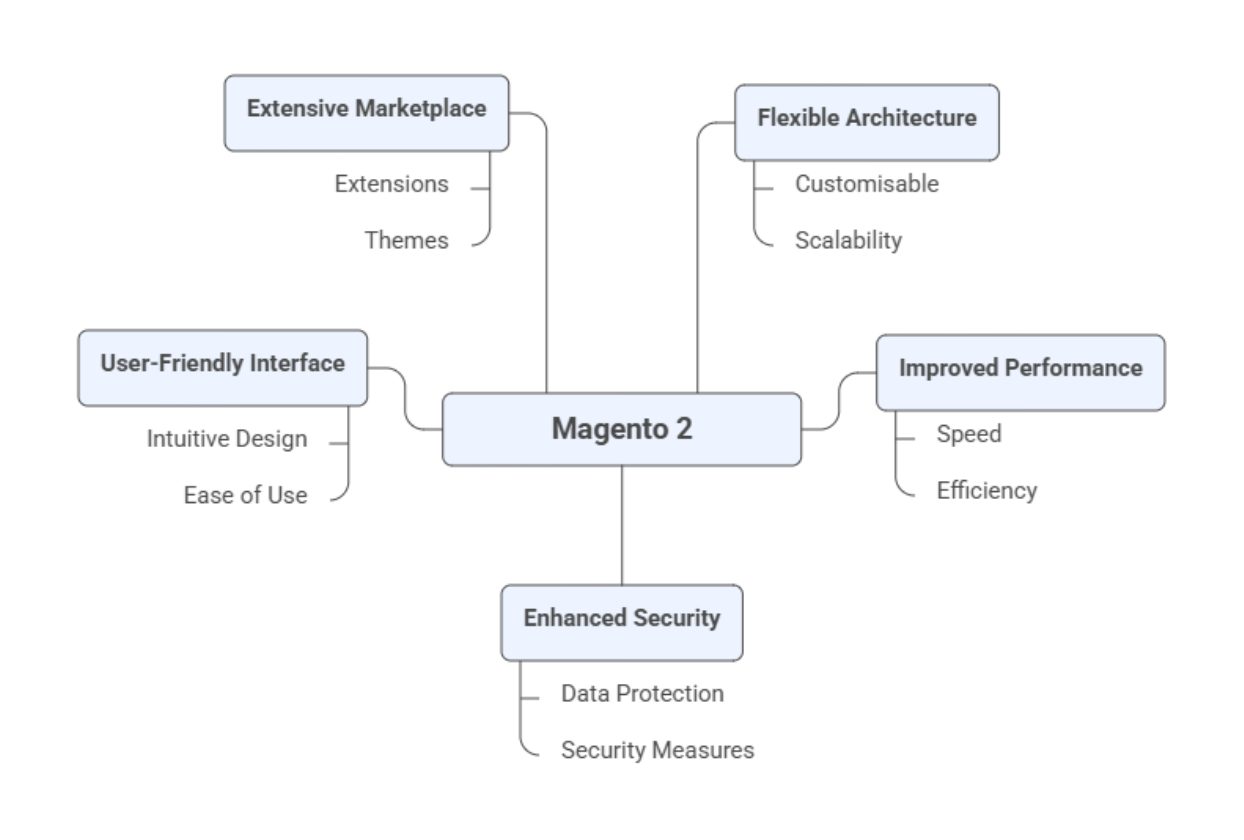
Magento 2 is a completely redesigned platform built to meet modern eCommerce demands. It focuses on speed, better user experience, and scalability, making it ideal for growing businesses.
Key Features of Magento 2
- Built-in full-page caching and Varnish support
- Improved admin panel with better usability
- Advanced API capabilities for integrations
- Mobile-first and responsive design approach
Improvements Over Magento 1
Magento 2 offers faster loading speeds, better checkout performance, and improved scalability. It is designed to handle higher traffic volumes efficiently while maintaining performance.
Magento 1 vs Magento 2 Comparison Table
| Feature | Magento 1 | Magento 2 |
| Performance | Slower | Faster |
| Security | No updates | Regular updates |
| SEO | Basic | Advanced |
| Scalability | Limited | High |
| Support | Ended | Active |
Magento 1 vs Magento 2 Detailed Comparison
In this magento 1 vs magento 2 comparison, the difference becomes very clear when you look at modern business requirements. Magento 1 was designed in an era where flexibility mattered more, but Magento 2 is built for speed, performance, and long-term scalability.
The magento 1 vs magento 2 differences mainly revolve around architecture, performance, and security enhancements. Magento 2 uses a modular structure, which allows developers to make updates without affecting the entire system.
If you’re wondering what is the difference between magento 1 and magento 2, the answer lies in how efficiently Magento 2 handles traffic, integrates with tools, and improves customer experience. Understanding the key difference between magento 1 and magento 2 helps businesses make future-proof decisions.
Magento 2 also improves integrations significantly. The magento 1 vs magento 2 api capabilities are much stronger in Magento 2, allowing smoother connections with CRMs, ERPs, and third-party tools. Businesses often use Magento API Integration Services to streamline operations and automate workflows.
For businesses planning long-term growth, partnering with a Magento ecommerce agency ensures the platform is fully optimised and scalable.
Performance Comparison
The magento 1 vs 2 performance difference is one of the biggest reasons businesses upgrade. Magento 2 is designed to handle more users, more orders, and higher traffic without compromising speed or stability.
Page Load Speed
When comparing magento 2 vs magento 1 speed, Magento 2 delivers significantly faster loading times due to built-in caching and performance optimisation. Faster websites improve user experience and increase conversion rates.
PHP Version Support
Magento 2 supports the latest PHP versions, which offer improved speed, better security, and long-term stability. This ensures your store remains compatible with modern technologies.
JavaScript & CSS Optimisation
Magento 2 uses modern tools like RequireJS and LESS to optimise frontend assets. This reduces load time and ensures smoother performance across different devices.
Varnish Cache Integration
Built-in Varnish support allows Magento 2 to deliver content faster and handle high traffic efficiently. This is especially useful during peak sales periods.
Checkout Performance Improvements
Magento 2 simplifies the checkout process by reducing steps and improving usability. This helps reduce cart abandonment and improves overall sales.
Asynchronous & REST API Performance
The magento 2 vs magento 1 performance gap is also visible in API efficiency. Faster APIs ensure smoother integrations and better scalability for growing businesses.
Admin Panel
UI/UX Improvements
Magento 2 offers a cleaner and more intuitive admin interface, making it easier for teams to manage store operations efficiently. This improves productivity and reduces training time.
Dashboard Customisation
The dashboard in Magento 2 can be customised with widgets and reports, allowing businesses to track performance and key metrics easily.
Ease of Product & Order Management
Managing products, inventory, and orders is much simpler in Magento 2. It reduces manual work and improves operational efficiency.
Role-Based Access Control Improvements
Magento 2 provides advanced role-based access control, ensuring better security and smoother team collaboration.
SEO Improvements
Better URL Structure Control
Magento 2 allows cleaner and more SEO-friendly URLs, helping search engines understand your site better and improving rankings.
Rich Snippets & Schema Support
Magento 2 supports schema markup, which enhances search listings and improves click-through rates.
Improved Metadata Handling
Managing meta titles, descriptions, and tags is easier in Magento 2, allowing better on-page SEO optimisation.
Mobile SEO Enhancements
Magento 2 is built with a mobile-first approach, ensuring better rankings and improved user experience on all devices.
Security
Security Patch Updates (Magento 1 vs 2)
Magento 2 receives regular updates and security patches, while Magento 1 no longer does, making it risky for businesses.
Two-Factor Authentication
Magento 2 includes built-in two-factor authentication, adding an extra layer of protection for admin access.
Data Encryption Improvements
Improved encryption standards in Magento 2 help protect sensitive customer data and build trust.
PCI Compliance Enhancements
Magento 2 supports modern PCI compliance standards, ensuring secure payment processing and customer confidence.
Support & Community
Magento 1
Magento 1 no longer receives official support, making it increasingly difficult to maintain and secure over time.
This leaves businesses more vulnerable to security risks and compatibility issues as technology continues to evolve.
Magento 2 Official Support & Adobe Backing
Magento 2 is backed by Adobe, ensuring regular updates, performance improvements, and long-term reliability. This gives merchants greater confidence that their platform will remain future-ready and fully supported.
Developer Community Growth
Magento 2 has a rapidly growing developer community, providing access to stronger support, resources, and innovation.A larger community also means faster problem-solving and more opportunities for feature enhancements.
File Structure & Development
Magento 1 File Structure Limitations
Magento 1 has a complex and rigid file structure, making development and maintenance more challenging.This often results in longer development cycles and increased costs for ongoing updates.
Magento 2 Modular Architecture Advantages
Magento 2 uses a modular architecture, allowing developers to update specific components without affecting the entire system.This creates a more flexible foundation for businesses looking to scale or adapt quickly.
Easier Customisation & Maintenance
Magento 2 makes customisation easier and more efficient, reducing development time and maintenance effort.Businesses can implement changes faster while keeping their store stable and high-performing.
Cost
Development Cost Comparison
Magento 2 may have higher initial development costs due to its advanced features, but it offers better long-term value.
Maintenance Cost Differences
Maintenance costs are lower over time due to improved performance and support. Businesses can also use Magento website maintenance services to ensure smooth operations.
Long-Term ROI
Magento 2 delivers better ROI through improved performance, scalability, and higher conversion rates.
Frontend Improvements
Knockout.js Implementation
Magento 2 uses Knockout.js to enable dynamic UI updates, improving responsiveness and enhancing the user experience.This allows for smoother customer interactions and a more seamless browsing journey.
Luma Theme vs Blank Theme
Magento 2 offers modern themes such as Luma and Blank, making development faster and more flexible.These themes provide a solid foundation for building customised and visually engaging online stores.
UI/UX Enhancements
Improved design and navigation enhance the overall shopping experience, helping to increase engagement and conversions.A better user experience can also encourage repeat purchases and stronger customer loyalty.
Mobile-Friendly Features
Responsive Design Improvements
Magento 2 is fully responsive, ensuring your store works smoothly across all devices without additional development effort.
Mobile Checkout Optimisation
Magento 2 provides a faster and more streamlined mobile checkout, reducing friction and improving conversions.
PWA Studio Support in Magento 2
Magento 2 supports Progressive Web Apps, delivering app-like experiences that improve speed and engagement.
Migration from Magento 1 to Magento 2
Why Businesses Are Upgrading
Many businesses are actively searching for ways to upgrade from Magento 1 to Magento 2 in order to remain competitive in today’s eCommerce landscape. Alongside migration, many brands also focus on Magento performance optimisation to improve site speed, customer experience, and conversion rates. Understanding the migration process helps ensure a smoother transition with minimal disruption to store operations.
Expert Migration Support
If you require professional assistance, you can always hire a Magento 2 developer to manage the migration efficiently.Expert support can help reduce technical risks, save time, and ensure your new store is fully optimised.
Magento 1 vs Magento 2: Conclusion
Magento 1 is now outdated and no longer supported, whereas Magento 2 offers improved speed, stronger security, and greater scalability for modern businesses. This makes Magento 2 a more reliable solution for brands focused on long-term digital growth. Businesses looking to deliver a faster shopping experience, protect customer data, and scale with confidence will find Magento 2 far better suited to today’s eCommerce demands.
Which One Should You Choose?
When comparing Magento 1 vs Magento 2, Magento 2 clearly stands out as the better choice for performance-driven eCommerce stores. Its modern architecture and ongoing support make it ideal for businesses planning future expansion.


 Anna
Anna